THE ART OF RATTAN—THE WOVEN LEGACY: THE STORY OF RATTAN CRAFTING IN INDONESIA
Deep within Indonesia’s lush rainforests, a legacy was born. For centuries, rattan—a flexible, vine-like palm—has been central to the lives of Indonesians, its story woven into the fabric of their culture. The craft of rattan weaving is not merely a technique but a symbol of harmony between humans and nature, passed down through generations.
The origins of rattan craftsmanship date back to Indonesia’s ancient kingdoms, like Srivijaya and Majapahit. Indigenous communities in Kalimantan, Sulawesi, and Sumatra harvested rattan sustainably, respecting the forests that provided their livelihoods. They developed intricate weaving techniques, creating baskets, mats, and even boat components essential for survival in the archipelago. Each piece reflected their deep understanding of rattan’s unique qualities—its strength, flexibility, and ability to endure the humid tropical climate.
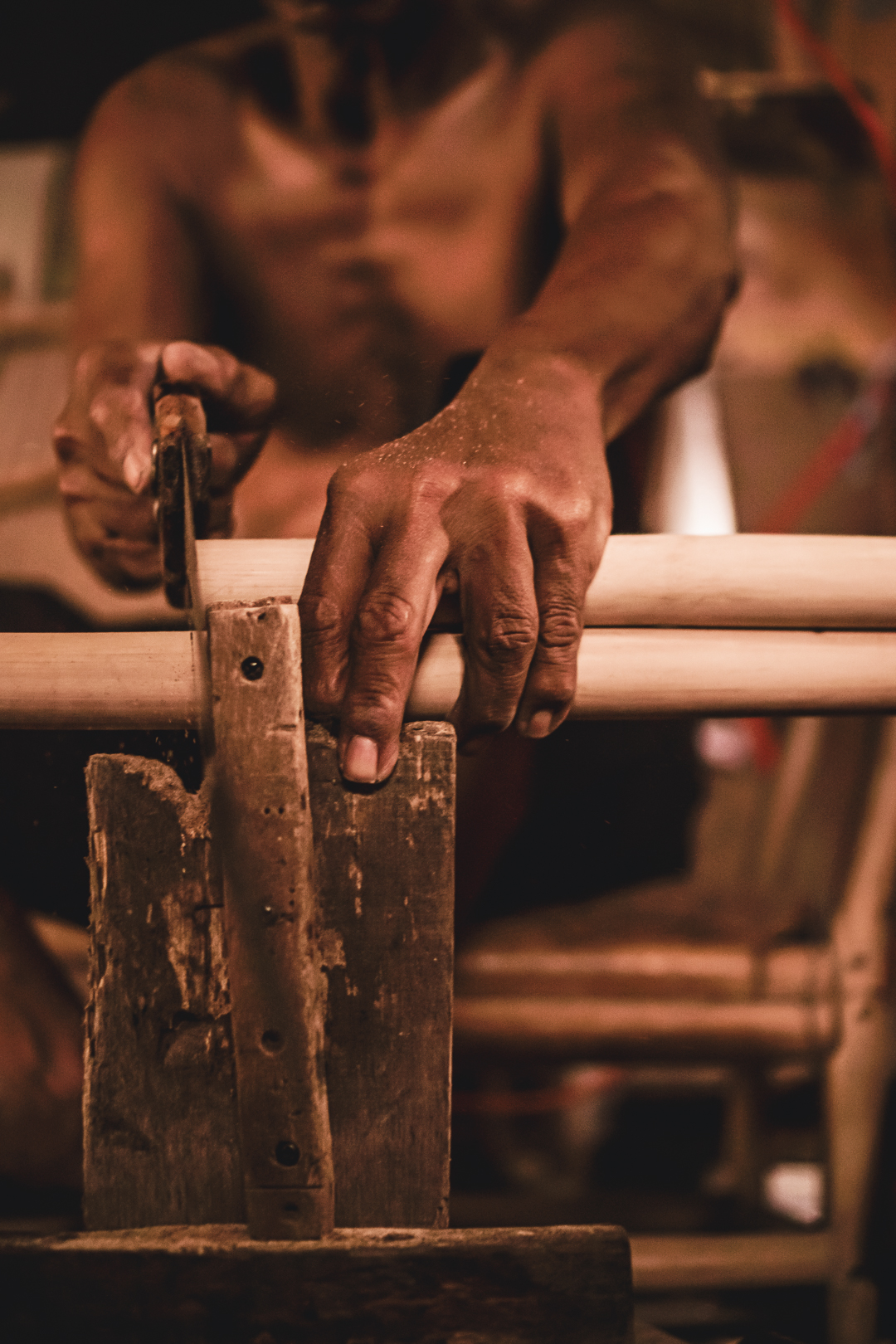
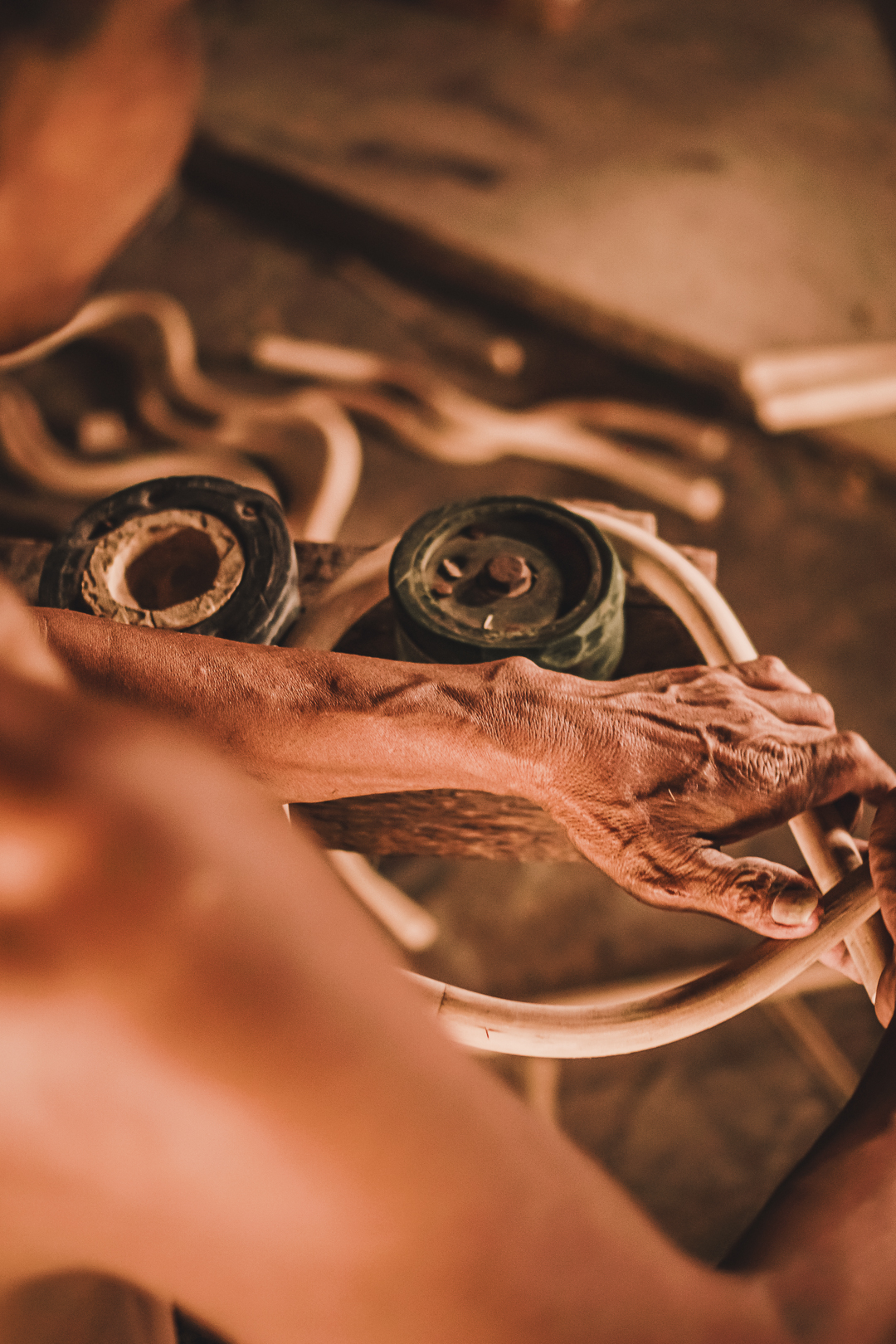
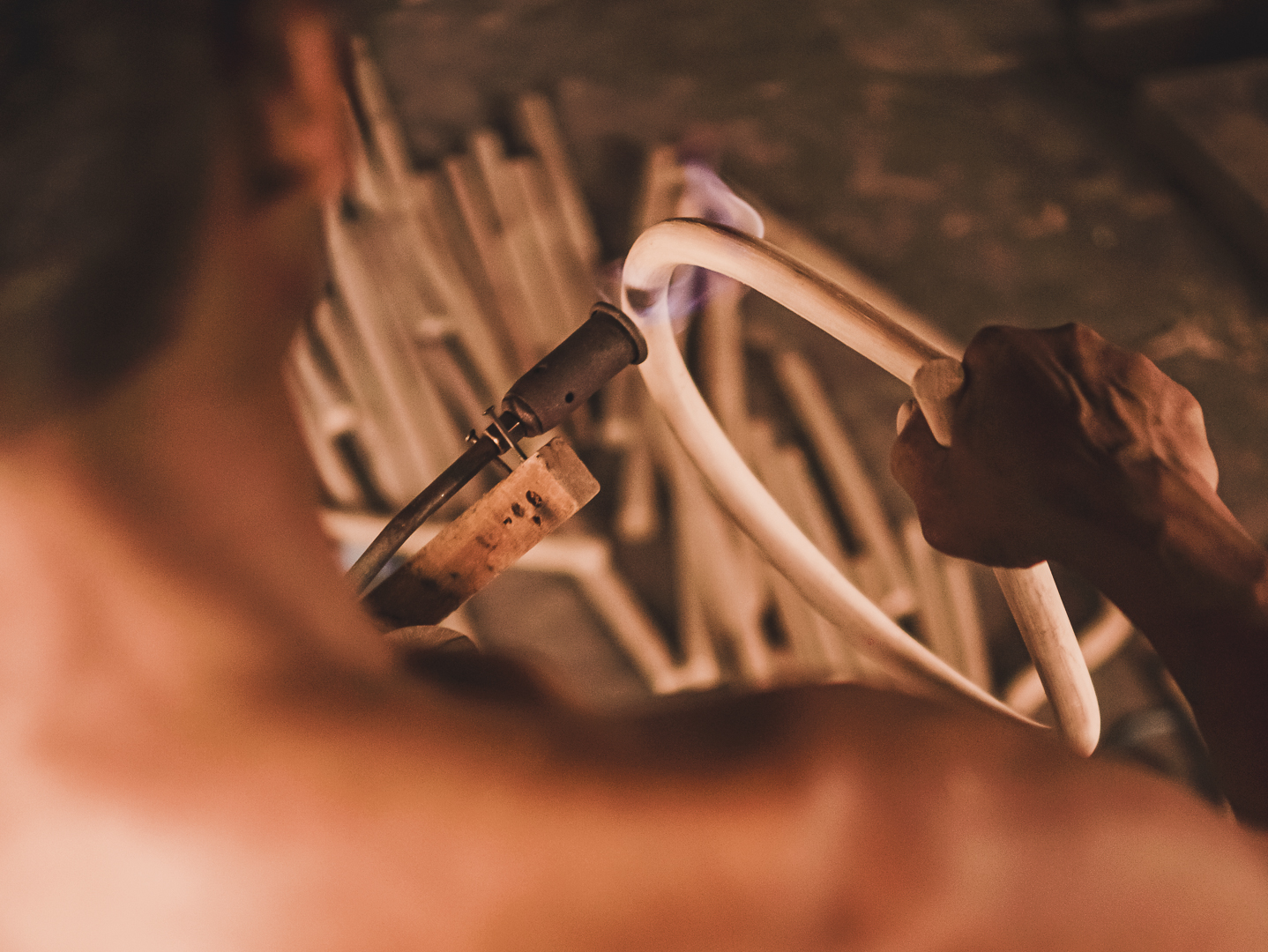
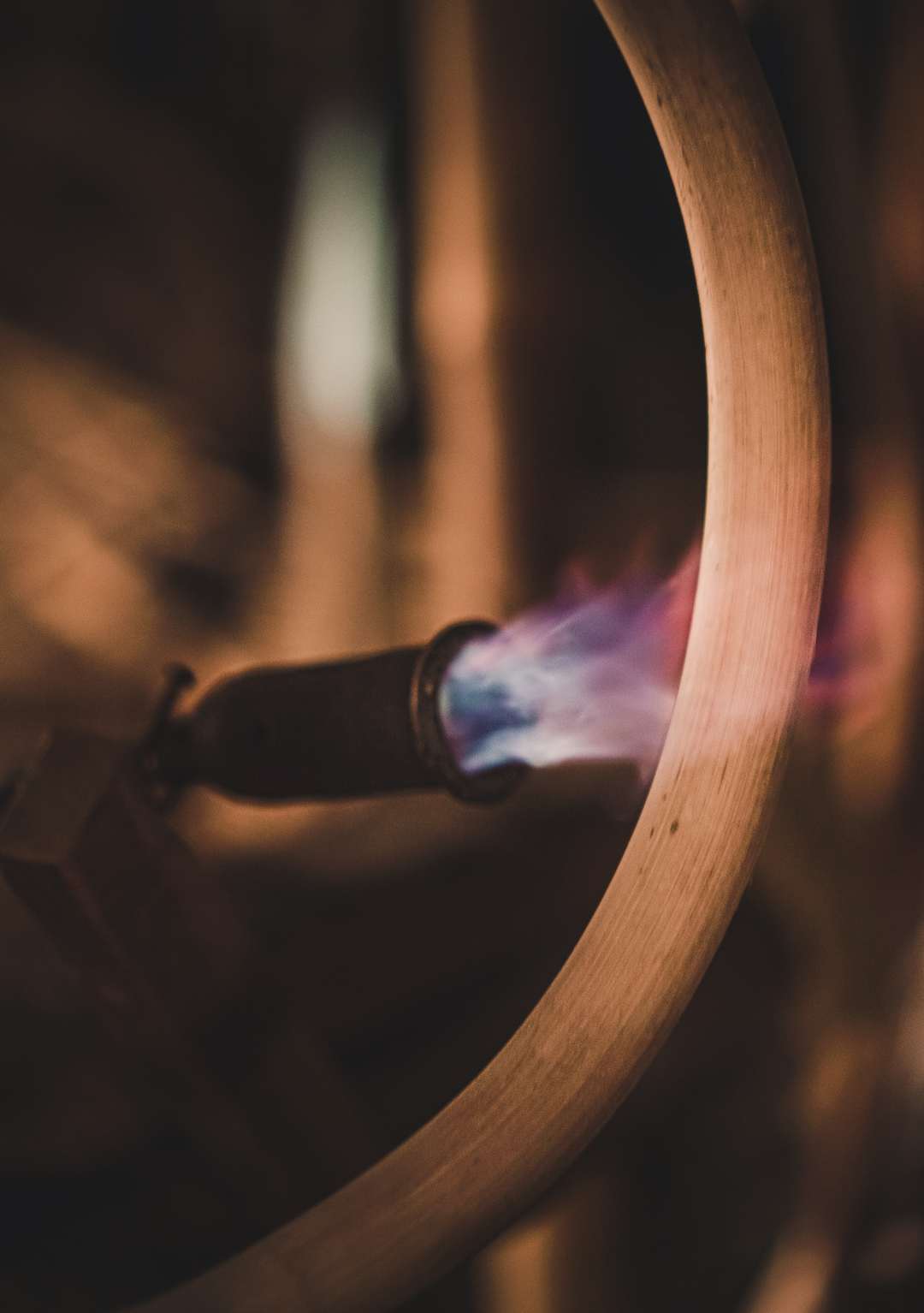
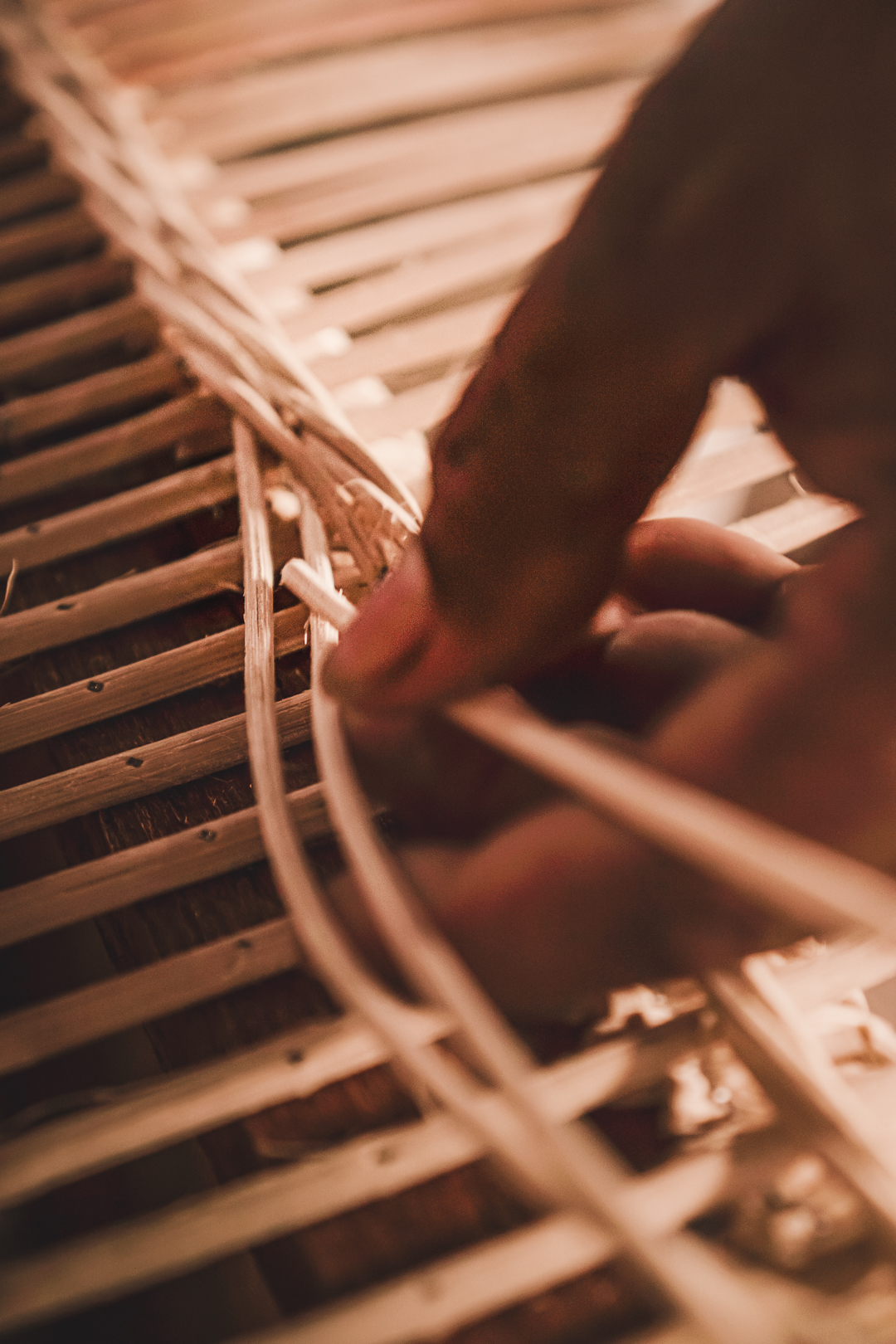
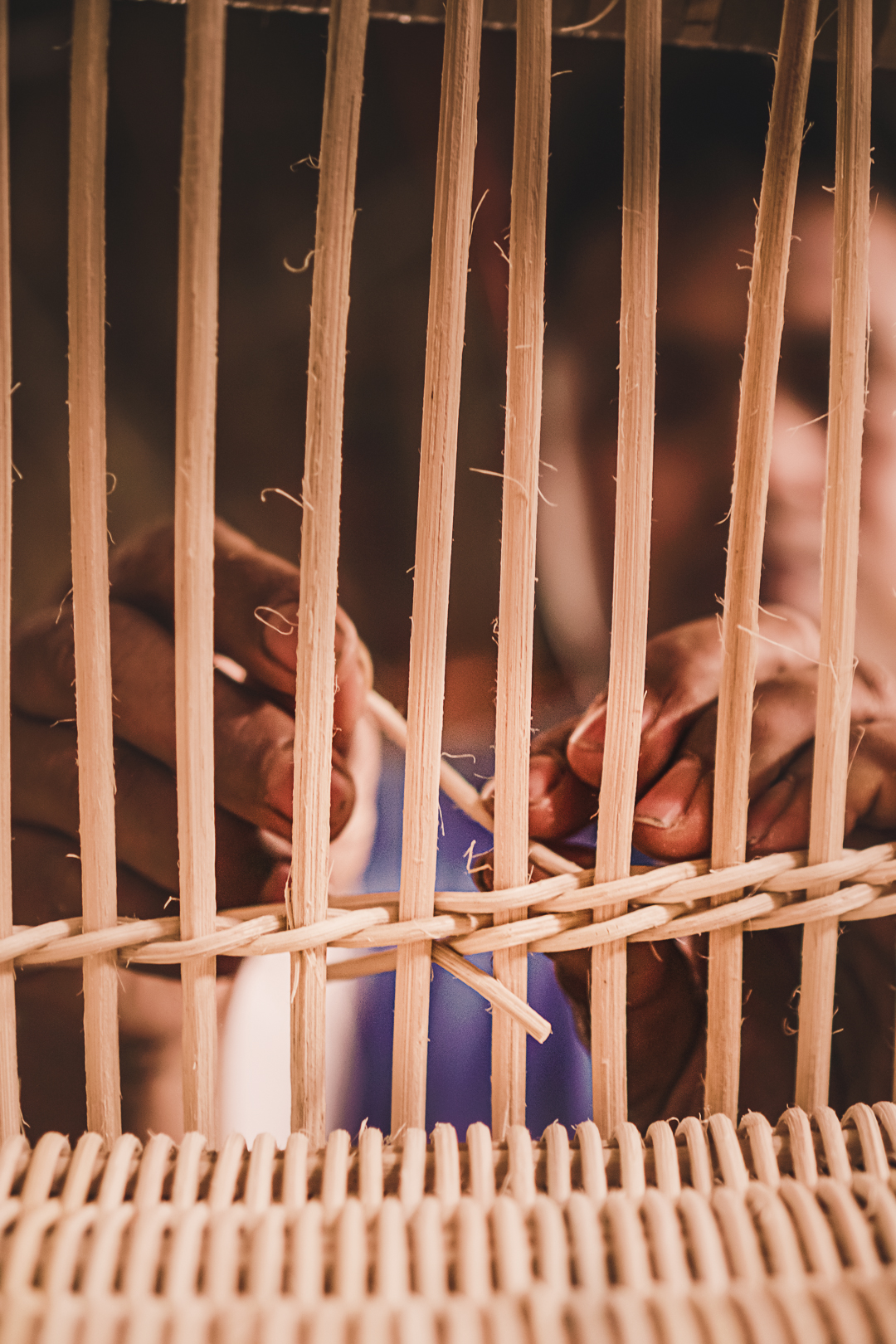
The technique of working with rattan begins in the forest, where skilled harvesters cut the vines without damaging the roots, ensuring regrowth. Once collected, the rattan is stripped of its outer skin and sun-dried to prevent mould. Depending on the intended use, the rattan is boiled to remove natural resins and then split into finer strands or left whole for sturdier structures. Artisans use hand tools to shape, smooth, and weave the material, combining precision and artistry to create durable, functional, and beautiful items.
The craft’s prominence grew during the Dutch colonial era, when rattan became a prized export. European designers admired its light weight and exotic aesthetic, and Indonesian rattan furniture became a status symbol in European homes. However, colonial exploitation shifted traditional methods toward mass production, diminishing the value placed on artisanship.
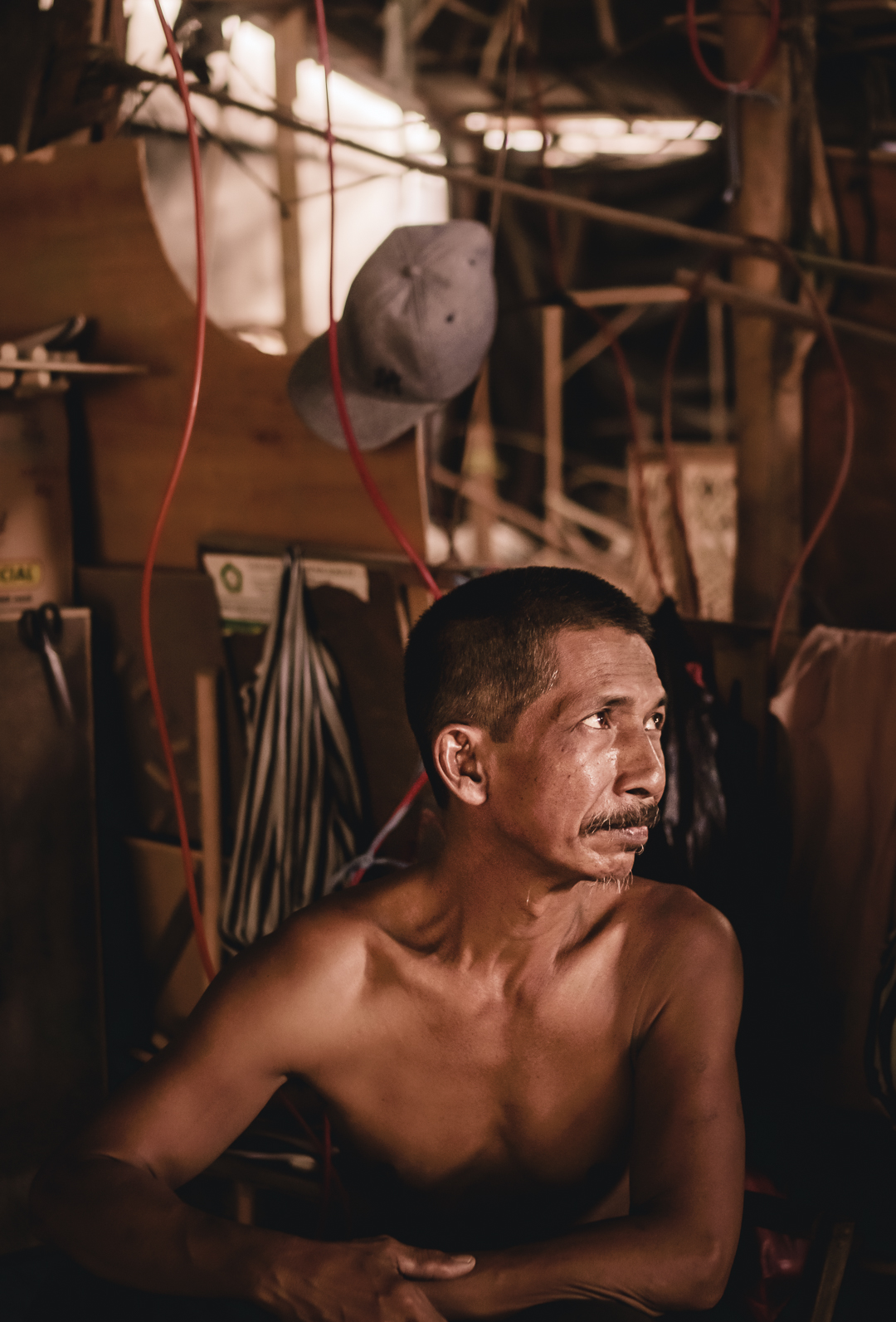
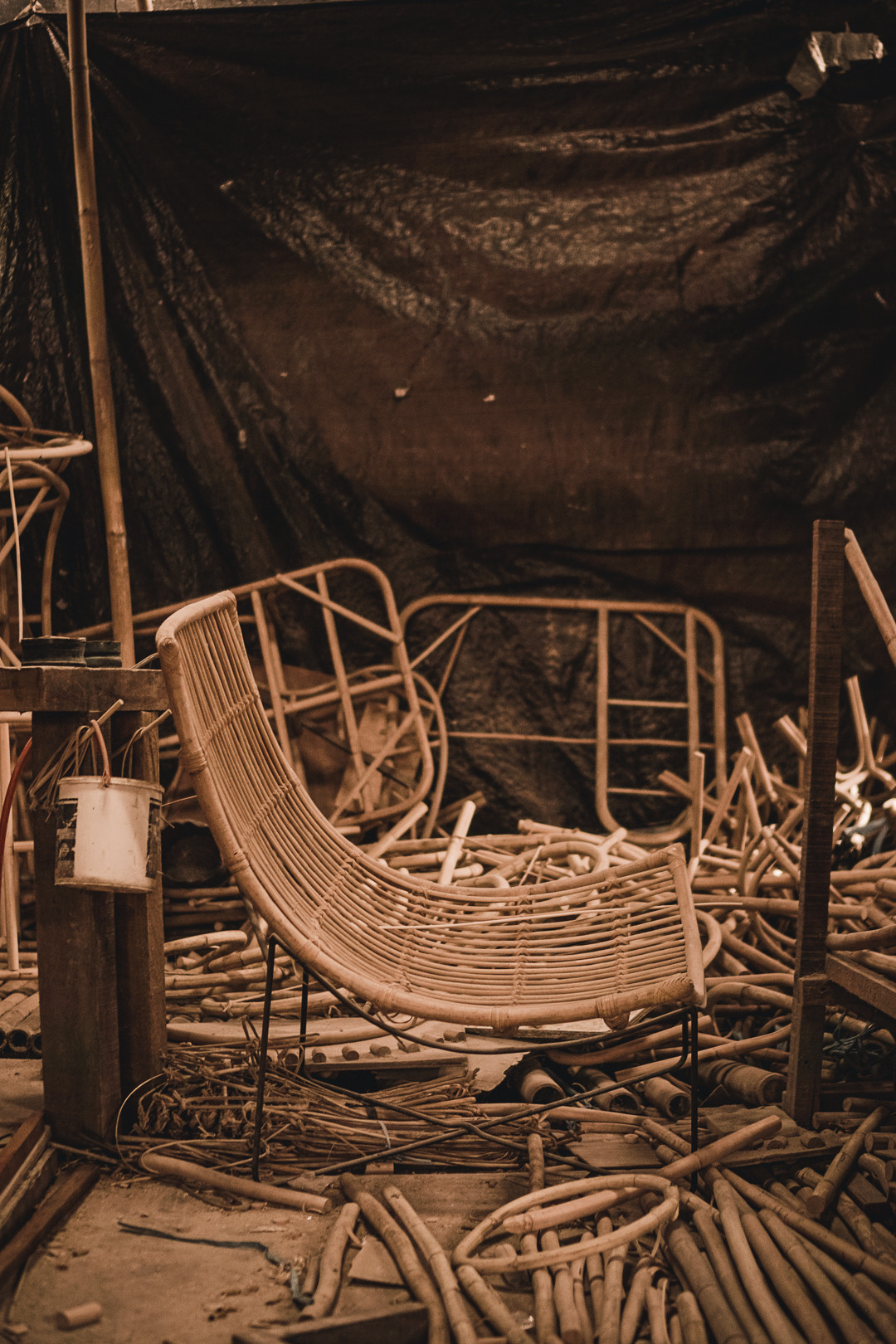
After Indonesia gained independence in 1945, rattan weaving experienced a revival. Local artisans reclaimed their craft, blending traditional techniques with modern designs. Regions like Cirebon in West Java became renowned for their innovation, introducing new patterns and forms. These weavers, armed with ancestral knowledge, adapted to meet the demands of a global market without sacrificing quality or sustainability


The technique of working with rattan begins in the forest, where skilled harvesters cut the vines without damaging the roots, ensuring regrowth. Once collected, the rattan is stripped of its outer skin and sun-dried to prevent mould. Depending on the intended use, the rattan is boiled to remove natural resins and then split into finer strands or left whole for sturdier structures. Artisans use hand tools to shape, smooth, and weave the material, combining precision and artistry to create durable, functional, and beautiful items.
The craft’s prominence grew during the Dutch colonial era, when rattan became a prized export. European designers admired its light weight and exotic aesthetic, and Indonesian rattan furniture became a status symbol in European homes. However, colonial exploitation shifted traditional methods toward mass production, diminishing the value placed on artisanship.
After Indonesia gained independence in 1945, rattan weaving experienced a revival. Local artisans reclaimed their craft, blending traditional techniques with modern designs. Regions like Cirebon in West Java became renowned for their innovation, introducing new patterns and forms. These weavers, armed with ancestral knowledge, adapted to meet the demands of a global market without sacrificing quality or sustainability