THE ART OF SLOW - A LOVE LETTER TO CRAFT
The Art of Slow, Bex Manners writes a love letter to craft, heritage and hands that create. Rooted in timeless traditions, it champions quality over quantity, honouring artisans and safeguarding cultural memory through conscious, enduring craftsmanship.
I was raised in the Balearics where time moved gently, and life unfolded with presence. In Menorca, in a rustic village where earth and sea dictated the rhythm of the day, I was immersed in a world where the hand-made was not a luxury, but a way of life. We grew our own vegetables, received artisan-made foods from local farmers, and watched as skilled hands wove baskets, shaped clay, and stitched leather into shoes that would last a lifetime.
This was craftsmanship in its truest form—creation not for excess, but for necessity, for beauty, for ritual.From an early age, I was captivated by the poetry of objects with history. A piece of jewellery passed down through generations, the faded weave of a hand-loomed textile, the imperfect lines of something formed by human touch rather than machine precision—these things spoke to me. They carried whispers of another world, another maker, another story. I found myself drawn to forgotten treasures, relics of craft, objects discarded yet rich with memory, yearning to be reimagined.At 18, I set off on a world journey, collecting the sacred and the storied. From remote villages to hidden markets, I sought pieces infused with the soul of their makers—tribal adornments, ritual artifacts, hand-carved symbols of belief and belonging.
I would send them home to the Balearics, where they were transformed into one-of-a-kind jewellery, each piece a conversation between past and present.I launched my jewellery brand Bex Rox London in 2009, yet as it grew, I felt something slipping away. The market demanded speed, volume, pressure—words that had no place in the world I loved. The process became secondary to the product, the story drowned out by sales. I longed to return to what had first enchanted me: the artistry, the patience, the reverence for materials and tradition.


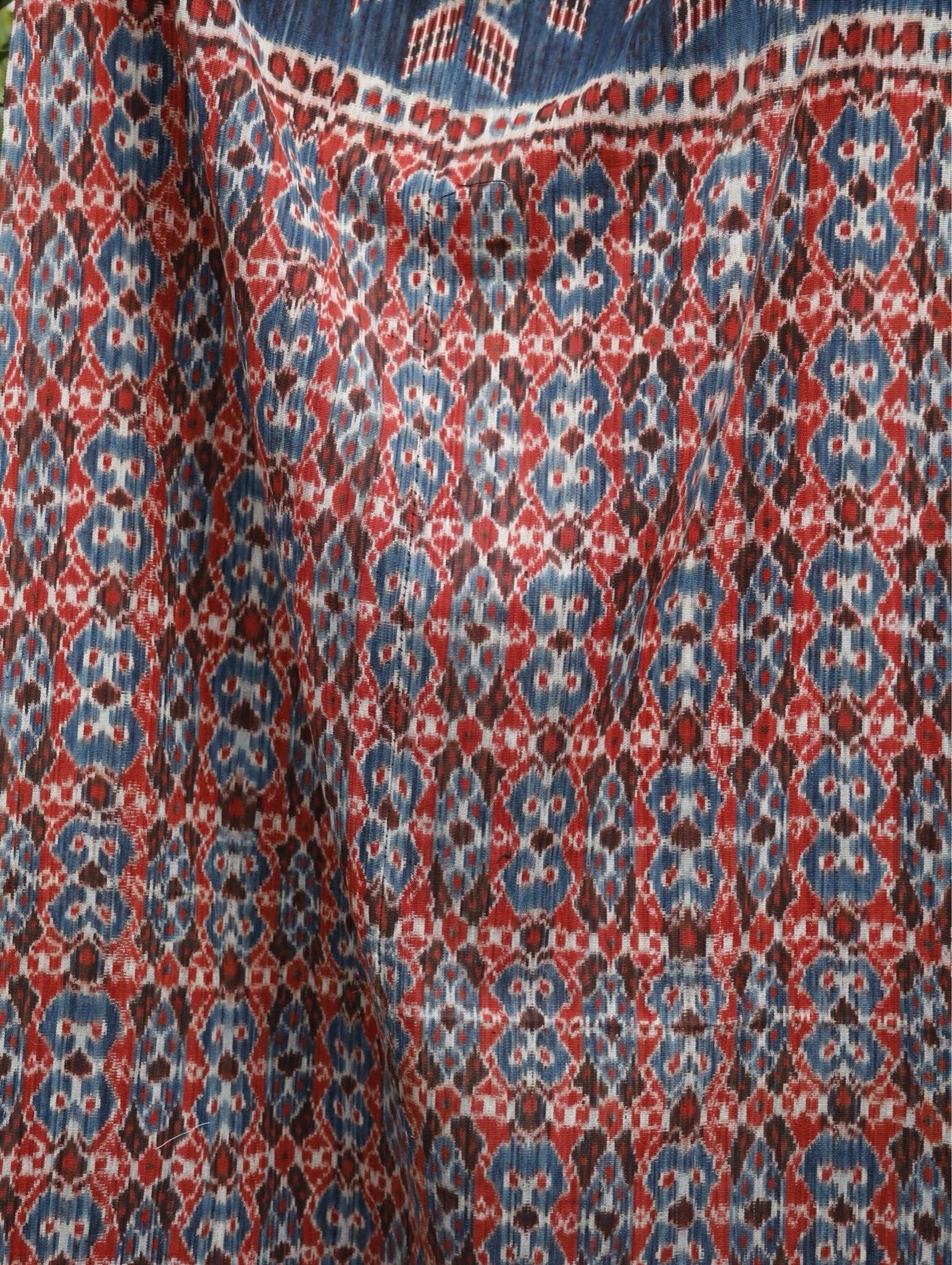
For true craftsmanship is not just about the final piece—it is about the process. Every stitch, every carve, every weave is a meditation, a ritual, a testament to the hands that shape it. The beauty is not just in what is created, but in the act of creation itself. A hand-loomed textile holds the rhythm of the weaver’s breath, a piece of hand-forged metal carries the pulse of the fire, a basket woven from local reeds is a map of the land from which it was born. The process is where meaning is embedded, where cultural symbols and stories are woven into form, where tradition is honoured and passed down.
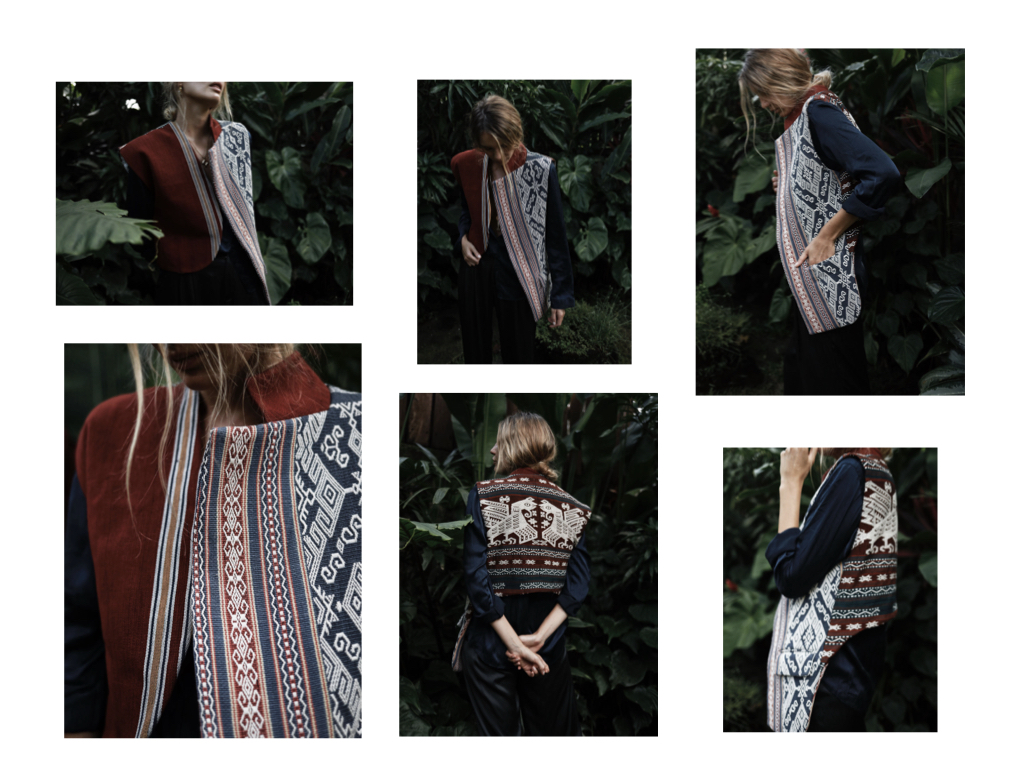
I realised the world does not need more. It needs less, but made with passion. It needs objects that are not consumed but cherished, not discarded but inherited. This belief led me to Southeast Asia, where I immersed myself in communities of master artisans who have safeguarded ancient techniques for generations. Here, I found craft as it was always meant to be—deeply connected to place, to culture, to nature. Nothing is wasted. Every material is respected. Each creation holds purpose beyond its form.
Yet in the modern world, these traditions are under threat. The rise of fast production, the relentless pursuit of profit, the detachment from human touch—these forces are erasing centuries of wisdom. Luxury brands often borrow the aesthetics of craft while distancing themselves from the makers. But true luxury must do more than admire craftsmanship—it must protect, uplift, and invest in it. It must return to craft, not as an aesthetic, but as a philosophy.
For me, the future of luxury lies in the hands of artisans and conscious consumers. These makers are not just labourers; they are artists, storytellers, guardians of cultural memory. Their craft is a living language, speaking of ancestry, of place, of belief. Each stitch, each mark, each etching is an imprint of time itself. When we hold something crafted with care, we hold more than an object—we hold its journey, its lineage, its soul and we are supporting livelihoods in an unbalanced world.
After years of research and collaboration, I found myself embracing what I now call The Art of Slow—a return to artisanal luxury that values quality over quantity, depth over speed, integrity over trend. It is about knowing the origin of a piece, understanding the who and the why behind its creation, and cherishing the skill that brought it to life. It is about honouring the process as much as the final form, seeing the beauty in the act of making, and respecting the natural resources that allow us to create.
In a world that moves too fast, the slow and the handmade are acts of defiance. To invest in craftsmanship is to invest in something greater than ourselves—it is to preserve, to connect, to feel.
The future of luxury is not about more. It is about meaning. It is about returning to the roots of true craftsmanship, where every creation is not just an object, but a bridge between past and future, between maker and wearer, between the sacred and the everyday.
And when we choose to embrace this kind of luxury—to honour the hands, the heritage, and the artistry behind what we own—we are not just buying. We are remembering. We are carrying forward the legacy of craft, ensuring that these stories, these skills, these symbols of human creativity will not fade, but will live on.