THE ART OF TRADITIONAL BALINESE WOOD CARVING
Craft Stories written by Bex Manners for Cabana Magazine.
Nestled amidst Bali’s verdant rice terraces and whispering coconut palms lies a tradition as deeply rooted as thebanyan trees shading its temples: The Art of Wood carving. For centuries, Balinese artisans have breathed life intotimber, shaping sacred narratives and daily stories with unparalleled grace. To understand Balinese wood carving isto embark on a journey through time, spirit, and landscape.
Wood carving in Bali is more than a craft; it is a spiritual practice. Its origins trace back to the Hindu-Buddhist era inthe 9th century, when artisans created intricate panels and sculptures for temples. These carvings weren’t merelydecorative—they were conduits to the divine. The gods and demons etched into these works were thought to inhabitthe pieces, serving as protectors and storytellers for the community. This spiritual thread remains unbroken. Eventoday, Balinese carvers begin their work with offerings and prayers, asking for guidance from Dewi Saraswati, thegoddess of wisdom and the arts. Their tools and wood are blessed, ensuring the carving process is imbued withsacred energy.
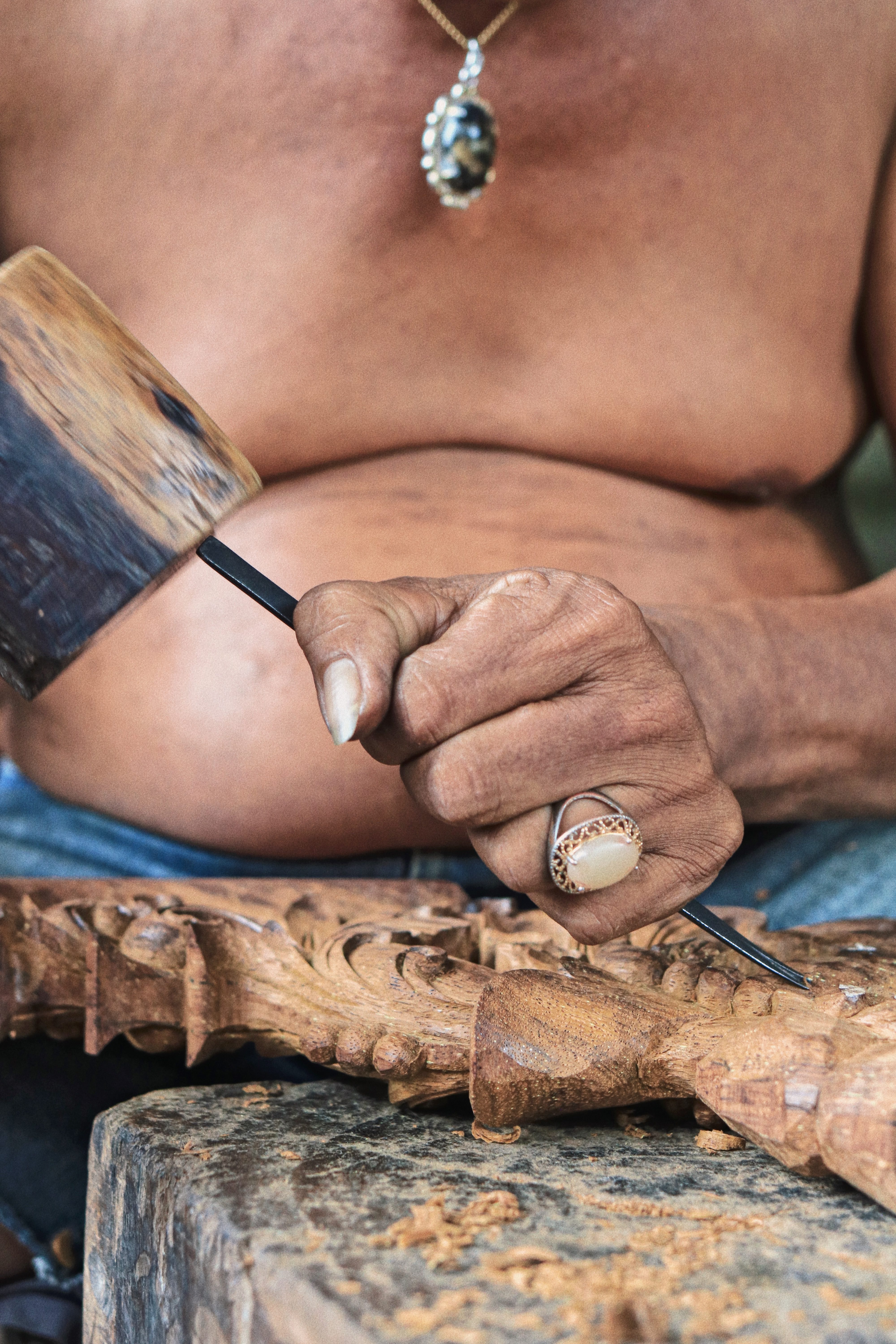
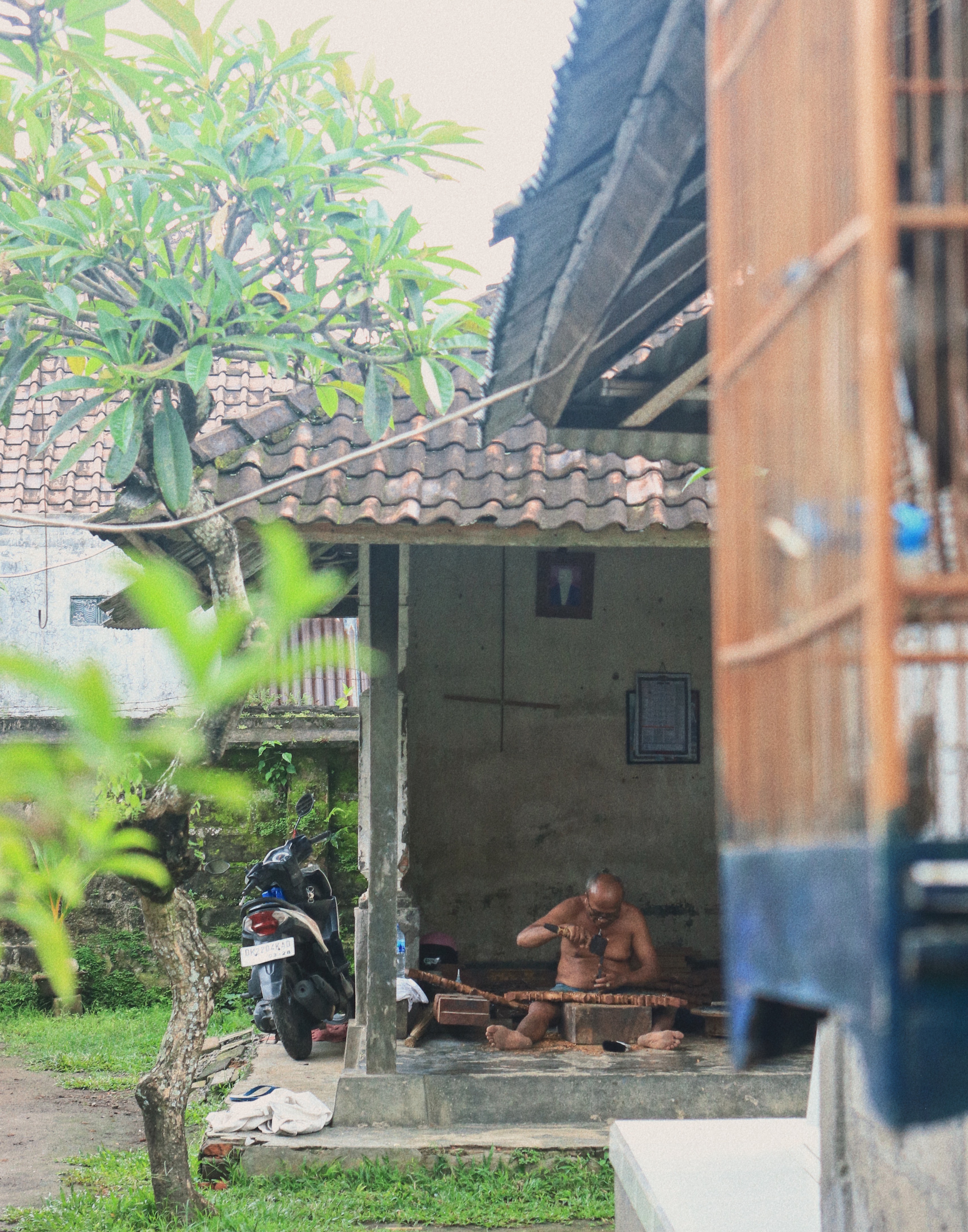
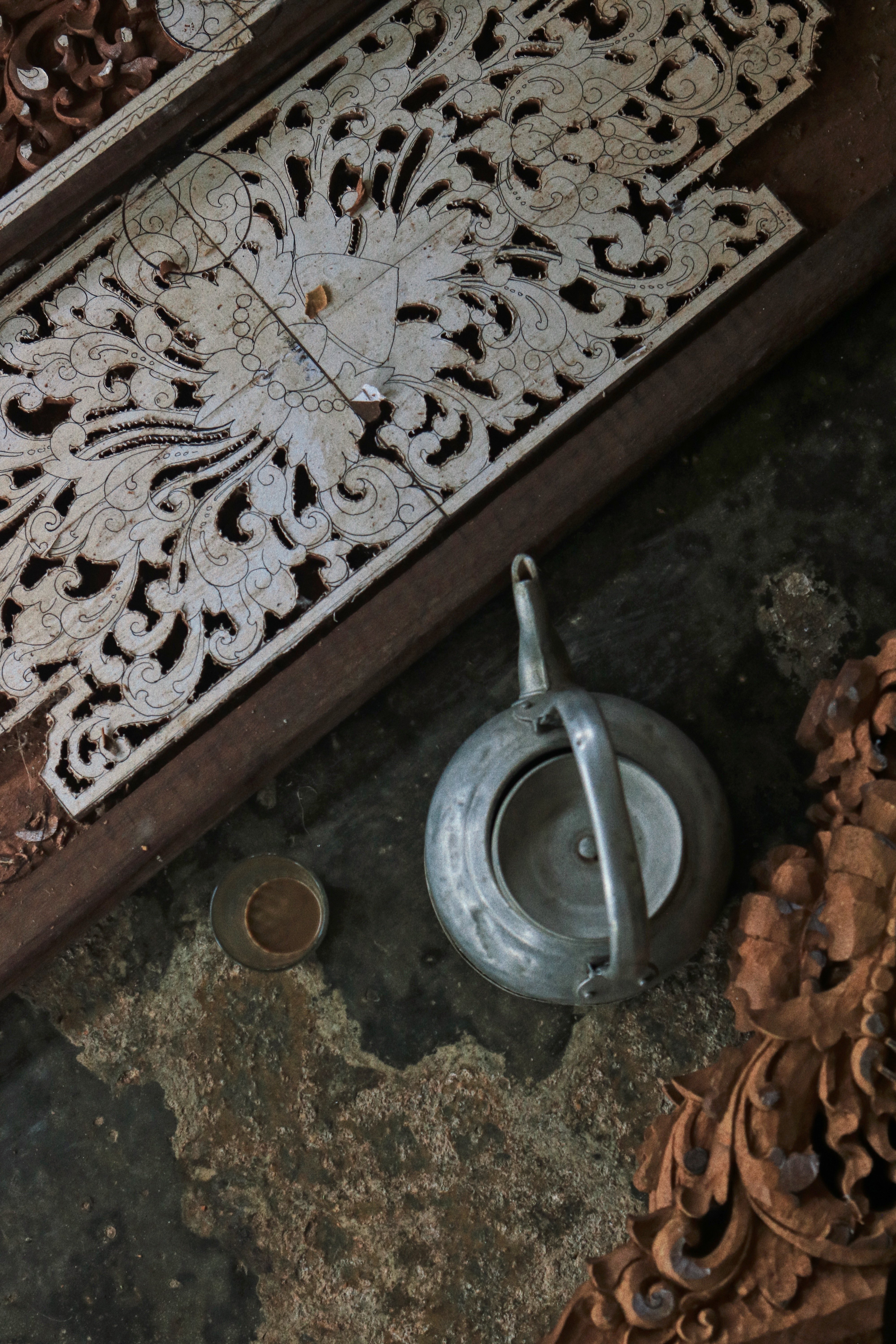
The process of wood carving is a poetic interplay between the artisan and the material. It begins with selecting thewood—a decision not taken lightly. Bali offers an abundance of choices, each with its unique qualities. Jackfruitwood, with its warm golden hue, is favoured for religious statues. Ebony, rich and dark, lends itself to intricatedetailing, while crocodile wood, pale and smooth, is perfect for more delicate creations. Once the wood is chosen, theartisan sketches a rough outline of the design. Then comes the transformative act. Using chisels and knives, thecarver peels away layers, revealing the spirit of the piece hidden within. The rhythmic tapping of tools creates amelody that resonates across workshops in villages like Mas, known as the cradle of Bali’s wood carving tradition.
Mas, located near Ubud, is the heart of this art form. Here, families have passed down carving techniques forgenerations. Walking through the village, you’ll find ateliers filled with statues of deities, mythological creatures, andeveryday scenes of Balinese life. Each piece tells a story, each curve and groove a testament to the carver’s skill andpatience. Bali’s geography plays an essential role in its carving tradition. The island’s tropical climate ensures asteady supply of hardwoods, while its rich cultural tapestry provides endless inspiration. Temples like Besakih, withtheir ornate stone carvings, and the vibrant performances of Barong and Legong dances offer motifs that find theirway into wood.
Nature, too, influences the art. From the swaying fronds of the traveller’s palm to the sacred geometry of a lotusflower, the environment informs both form and function. Wood carving in Bali isn’t just about aesthetics—it’s aboutharmonizing the natural and the spiritual. Despite modernization, the art of wood carving remains a living, breathingtradition in Bali. Contemporary artisans blend ancient motifs with modern aesthetics, creating pieces that appeal toboth collectors and casual admirers. Yet, at its core, the practice remains unchanged—a dialogue between carver,wood, and spirit.
Are you looking for an intricate hand carved furniture design? Co create with us and our masters.